
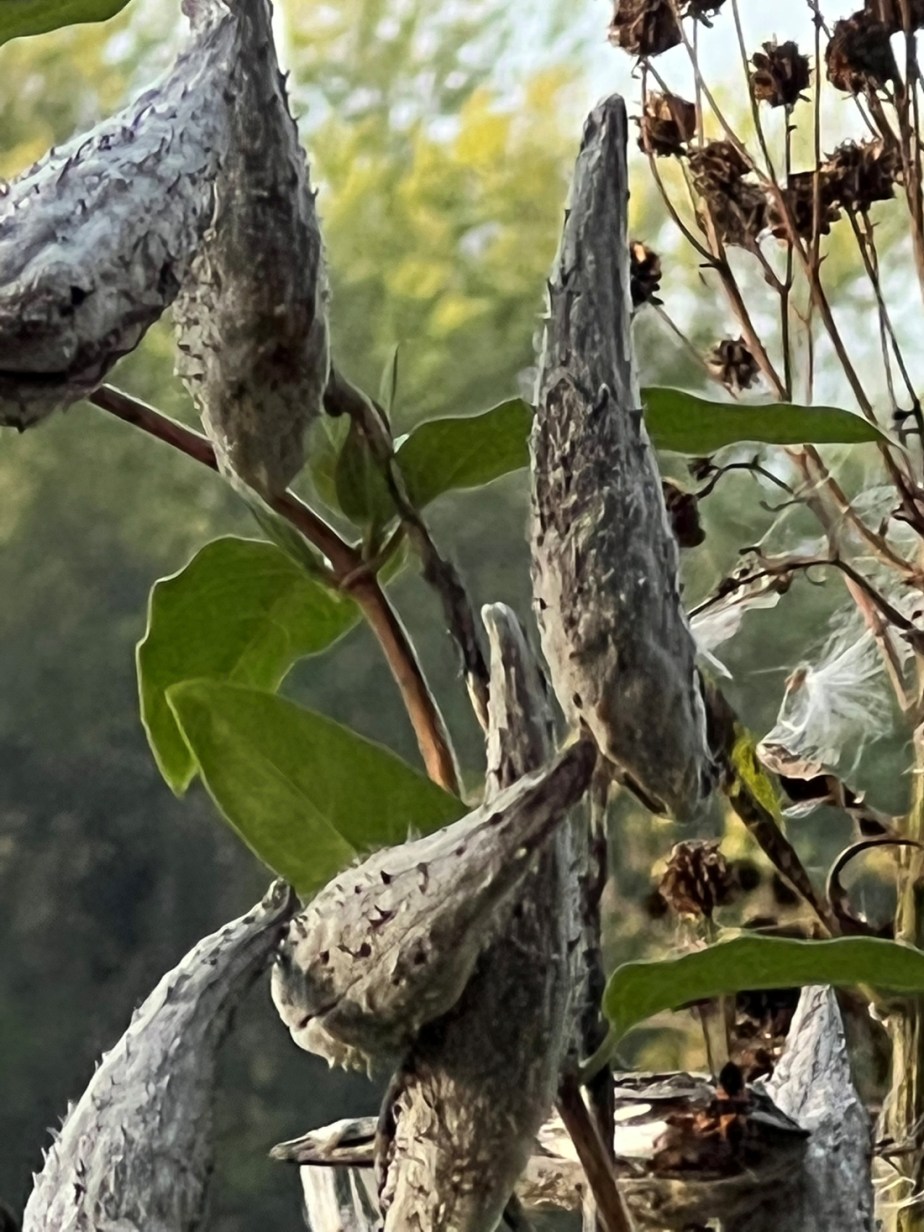
This year I’ve experimented with growing several types of native plants in my garden. I’ve had success with Asters blooming in brilliant purples, lavenders and even sunny yellow in the fall — and of course, Goldenrod, bright and arching across the south side garden. The Common Milkweed grew abundantly — in fact too abundantly, sprouting with no limits onto our neighbor’s lawn, so I agreed to replace it with varieties like the firey orange Butterfly Weed and dusty pink Swamp Milkweed.
I decided to save seeds and sprout my favorite flowers in the spring, but I’ve had several failures. Cardinal Flowers always seem to bloom happily in the summer but never return the next year. Friends told me of attempts to sprout milkweed — totally without results. Why? I decided to look for expert advice, and you can read about my search in “Learning the Language of Seed” in Plantings.
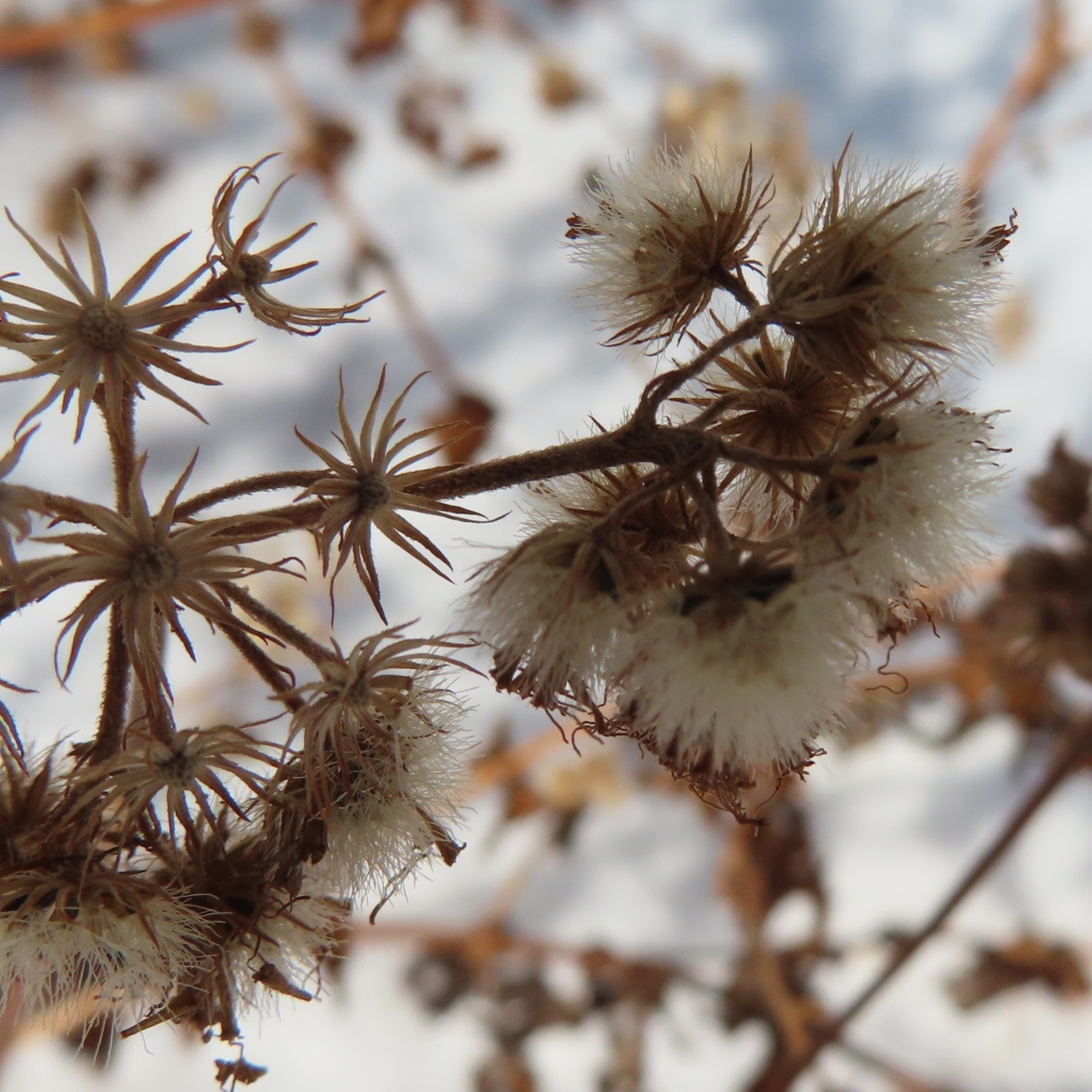
My daughter told me a secret to success that I found repeated by experts like William Cullina in his book Wildflowers. Some small seeds do best when planted on the surface of the soil with only the barest cover (perhaps a light silica sand) if any, to keep them from blowing away. They’ll need sunlight, moisture and cold through the winter. Mistflower spread throughout my garden when I removed the leaves that covered the seeded area.
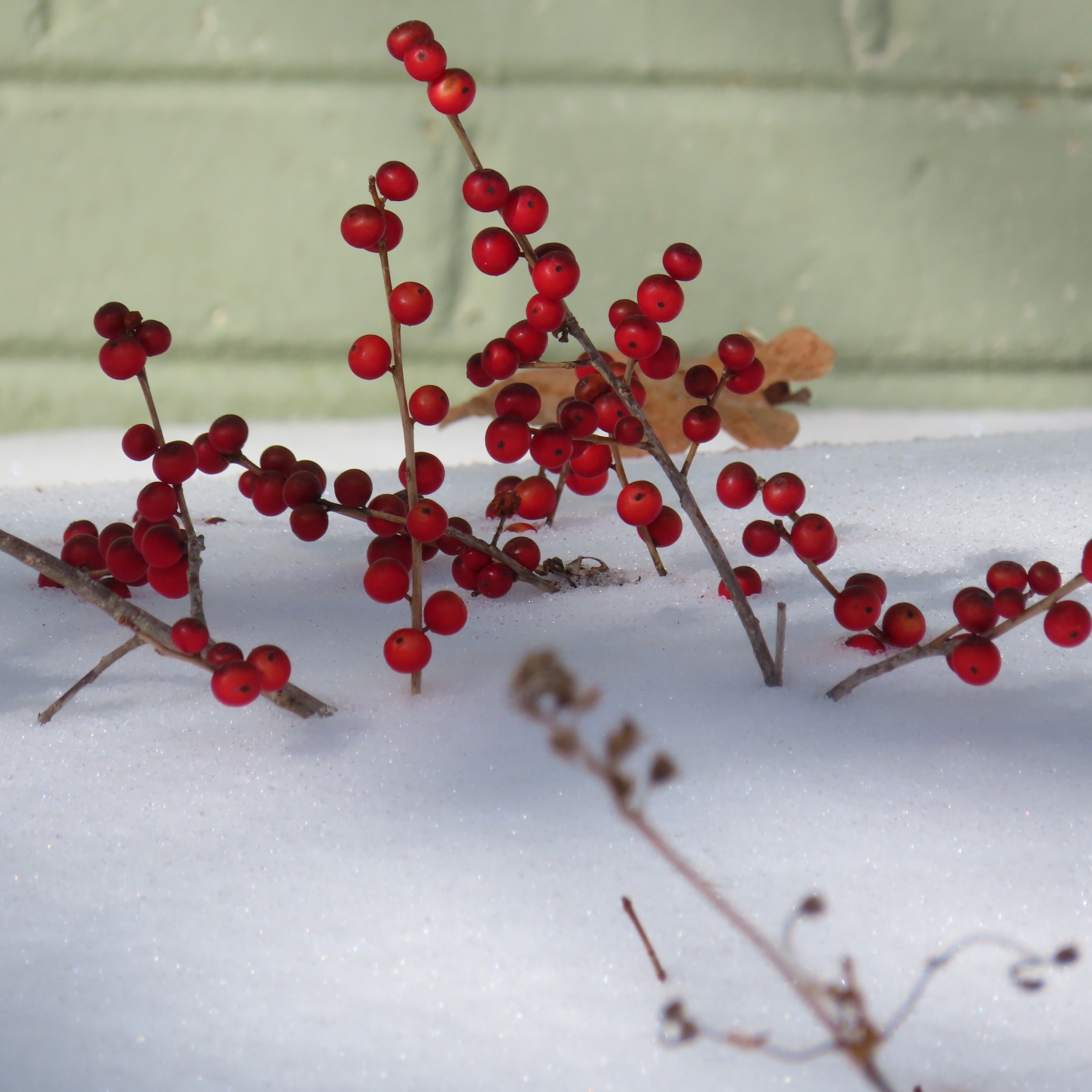
Bright red berries often attract animals and then serve as “lunch.” Exposure to digestive enzymes can help to break down seed coatings and promote sprouting. Gardeners can sometimes mimic this process using fermentation. You’ll find more details and references in “Learning the Language of Seed.”
 Liz Macklin -- Writer & Illustrator