Author: Liz Macklin
Enjoy Nature and Draw!

Please join me and draw!
We’ll follow lessons inspired by the English Victorian, John Ruskin (1819-1900) and his book Elements of Drawing. He aspired to train anyone to draw, to be an artist, so that they ‘might see greater beauties than they had hitherto seen in nature and in art, and thereby gain more pleasure in life’.
It’s free and everyone is welcome!
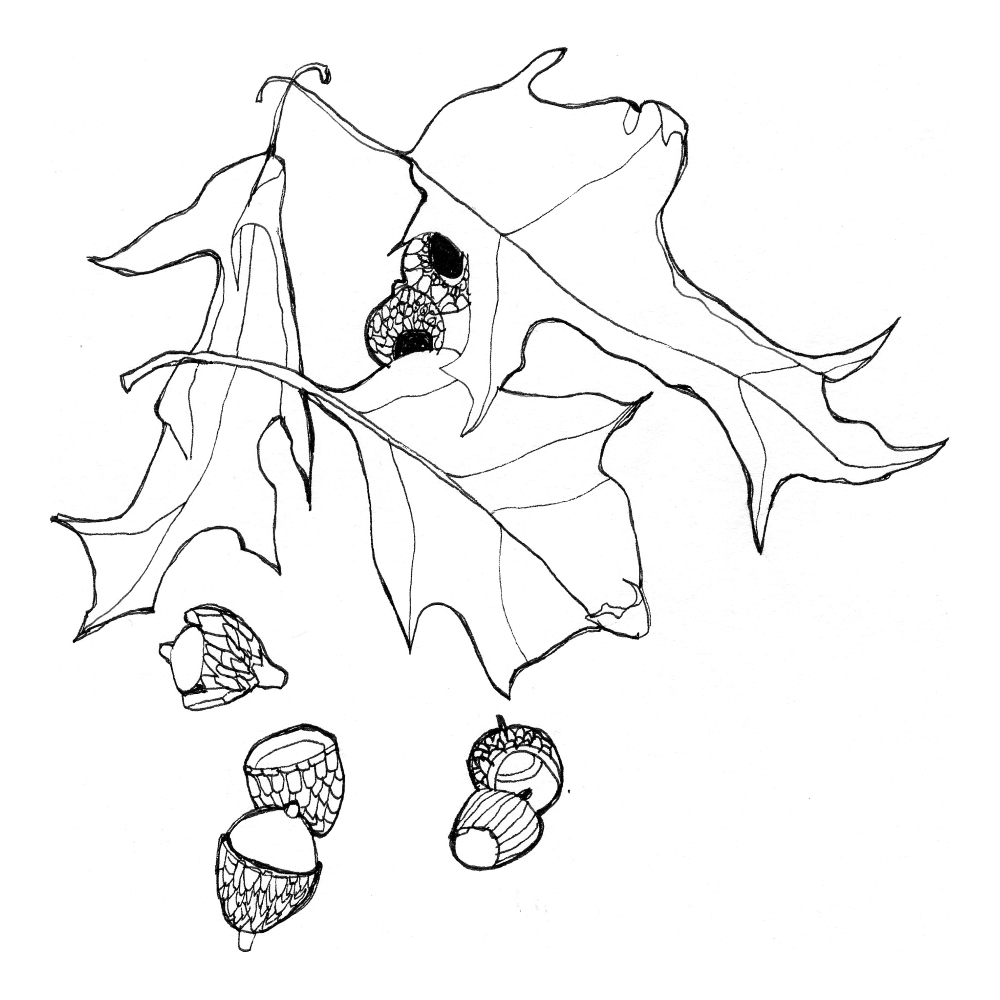
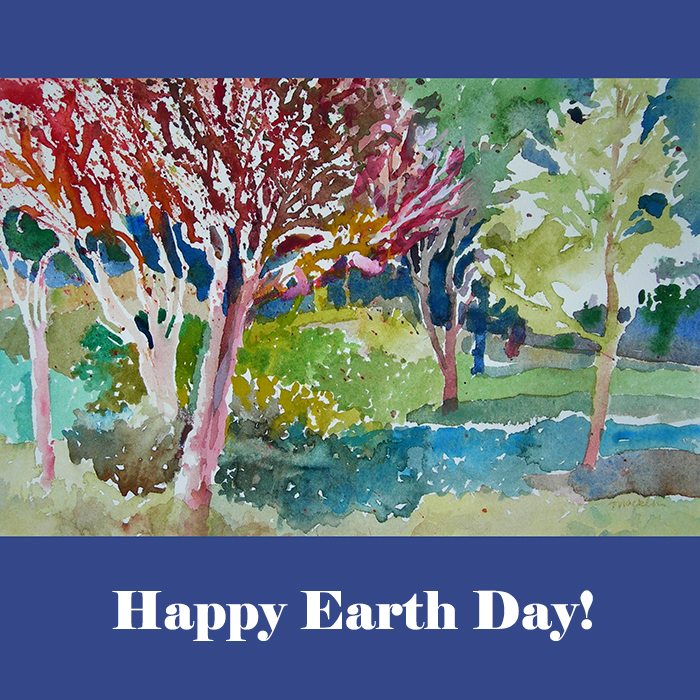
Drawing inspired by John Ruskin in the online conservation journal Plantings

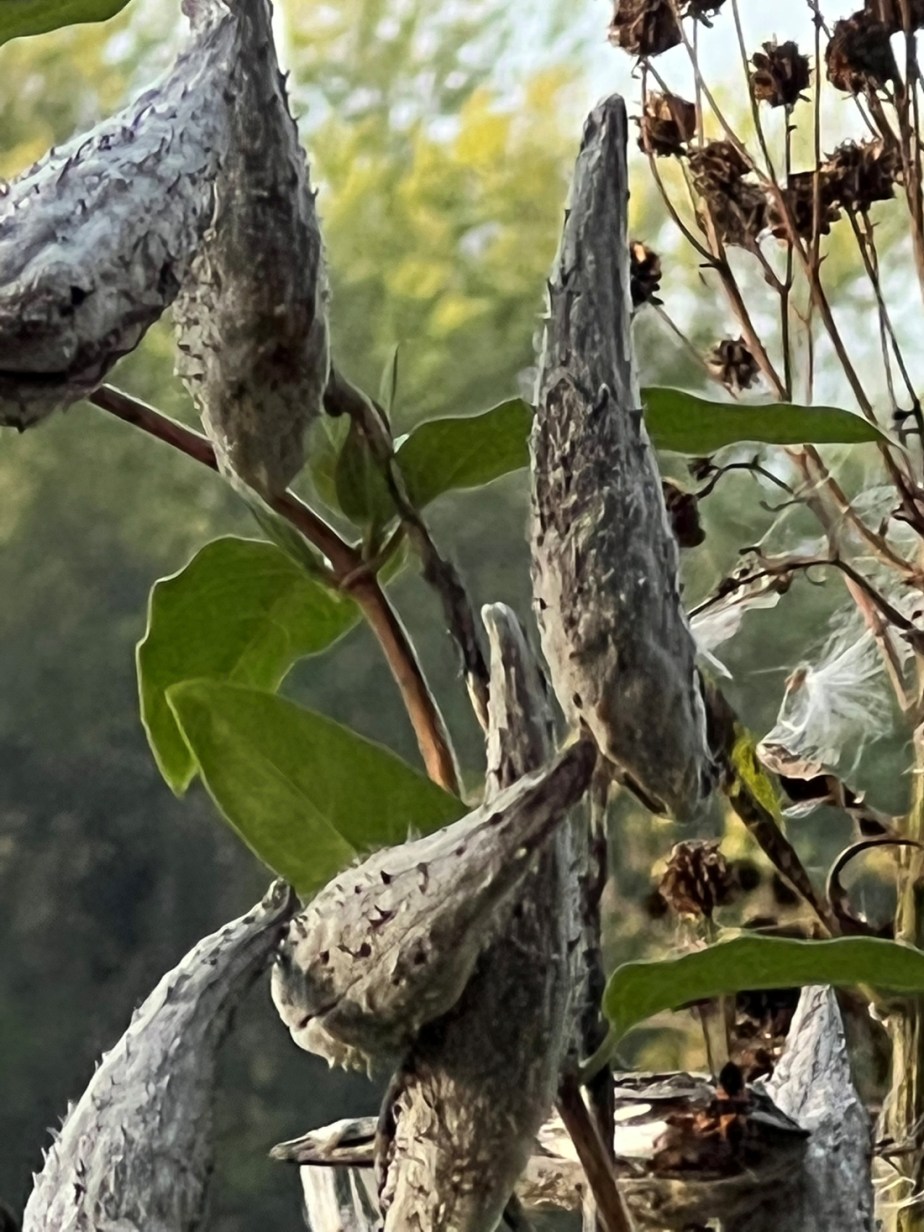
Drawing and photo by Liz Macklin | copyright 2023
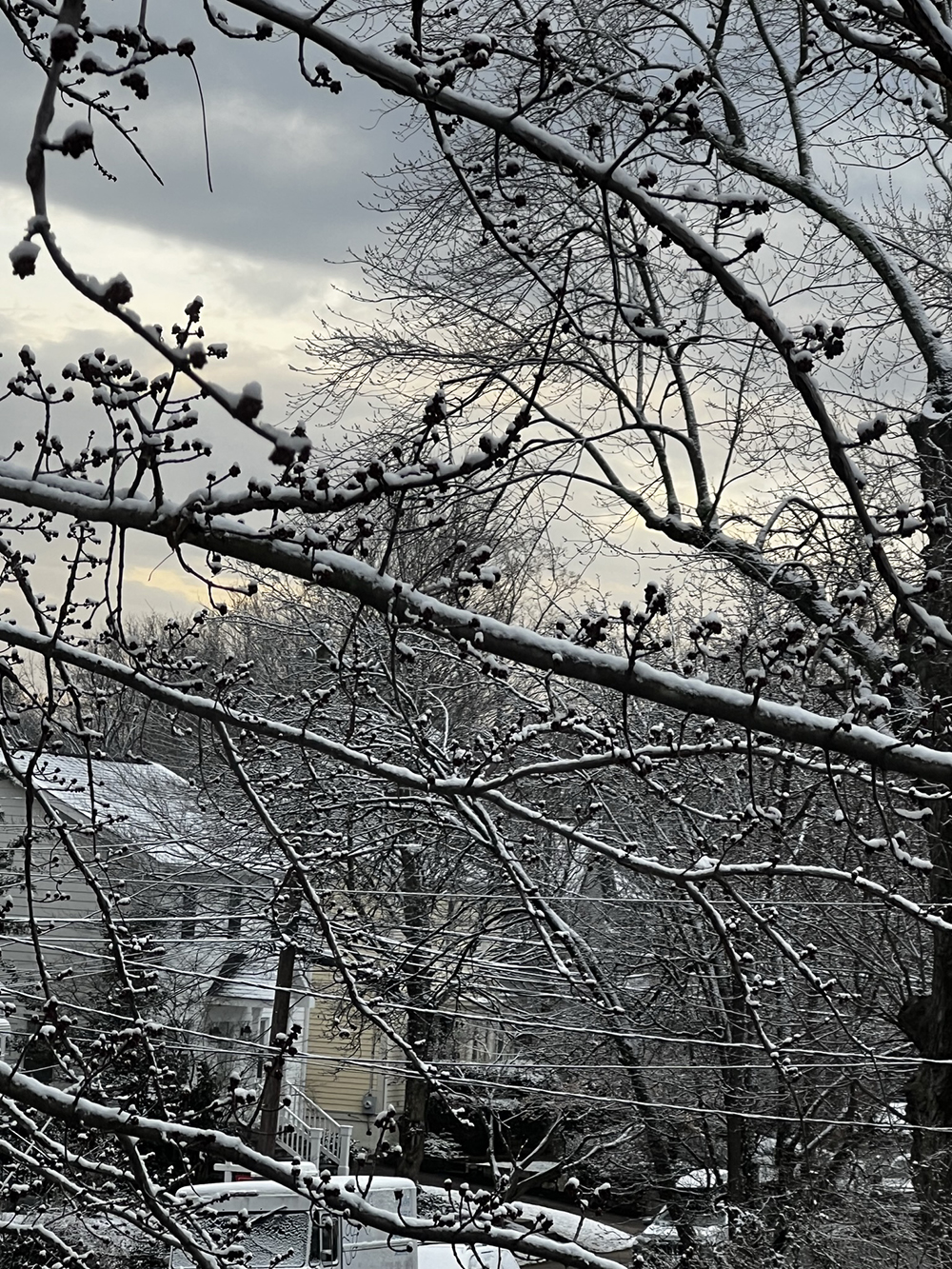
A Dusting of Snow
Earth Sangha

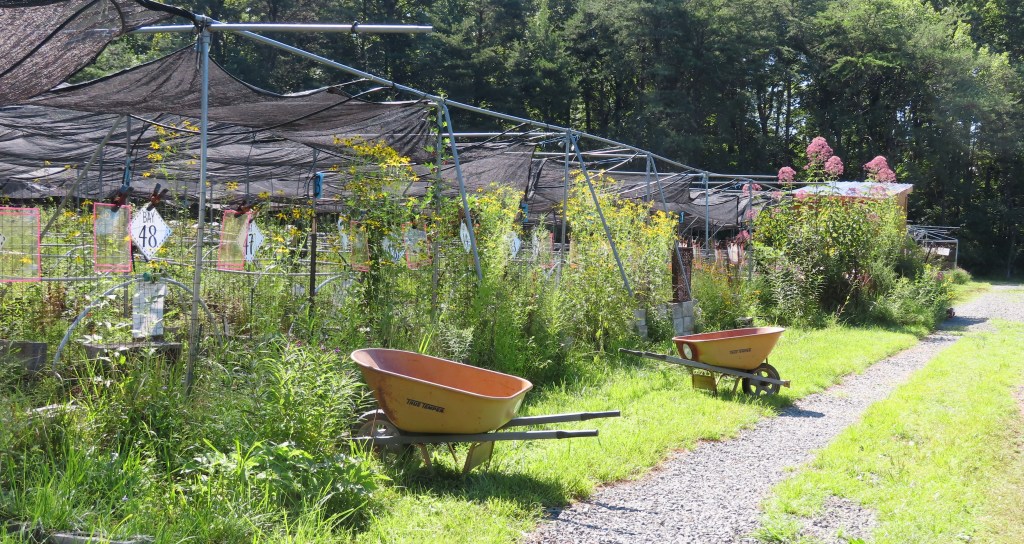
Tucked in a sliver of land in a county park, Earth Sangha’s Native Plant Nursery stands out as a leader in the conservation of native plants. I helped staff and volunteers pull invasive stiltgrass and porcelain berry at Rutherford Park. Then I visited the nursery to talk with Conservation Manager Maddie Bright (now Executive Director) about other recent projects. Here’s what I learned, as reported in the September issue of Plantings.
Exploring Lubber Run
On September 8, 2022, the rain paused and 25 soon-to-be master naturalists descended along the trail to Lubber Run. Let the discoveries begin!
Here’s what I found.


More coming soon …
Celebrate Beginnings!
Nature Journals ~ Identify That Plant!

In master naturalist training we identified trees by looking at their shape, bark, leaves and seeds. While hiking near Barcroft’s bog, we found oaks and poplars growing tall above a thriving poison sumac. Be aware, and if you’re in doubt about a plant, don’t touch or taste! Poet Jacqueline Jules stresses the importance of learning our plant IDs — and watching out for poison ivy!
Identifying Ivy
by Jacqueline Jules
I beg you. Reconsider preconceived notions and identify the difference. Three together. Mitten shaped. Small stem on the center leaf. Pointed tips. Shiny. White berries. Not the same as Virginia Creeper and its cluster of five. Do a little research. You’ll find most are harmless. Don’t despise every green vine gracing the path because one or two produce a nasty itch.
“Identfying Ivy” copyright by Jacqueline Jules — printed with permission of the poet
Read more poetry by Jacqueline Jules at Metaphorical Truths.
For help with identifying plants and animals, submit a photo to INaturalist. Researchers and citizen scientists (and even people like me!) use the posted data to learn more about our world.
In the Washington, D.C. region Alonso Abugattas posts observations about animals and plants and answers questions on his blog, the Capital Naturalist.
Nature Drawings & Poetry
Summer — Silence
Winter would seem to have a lock silence —
the snow quieting the fields across the countryside,
muffling even big city sounds and rounding off rough edges.
But silence is big enough to hold all seasons,
and has a special place for summer —
ocean, waterfall, and subway tunnel, yes,
and not only on top of whatever barns remain
on prairies or in mountain valleys —
but deep in the city, up on the tar beach rooftops
of Manhattan,
Queens, Brooklyn, the Bronx —
maybe even Staten Island.
Where a kid goes to hear the stars,
their voices need no words.
from The Four Seasons by John Clarke

Only a few weeks ago, I met a group of Arlington Regional Master Naturalists to talk about journals inspired by nature. To prepare I headed to Barcroft Park, the site of our March field trip. The trail, covered with snow, wound past a seep bordered by tall trees. Quiet prevailed.
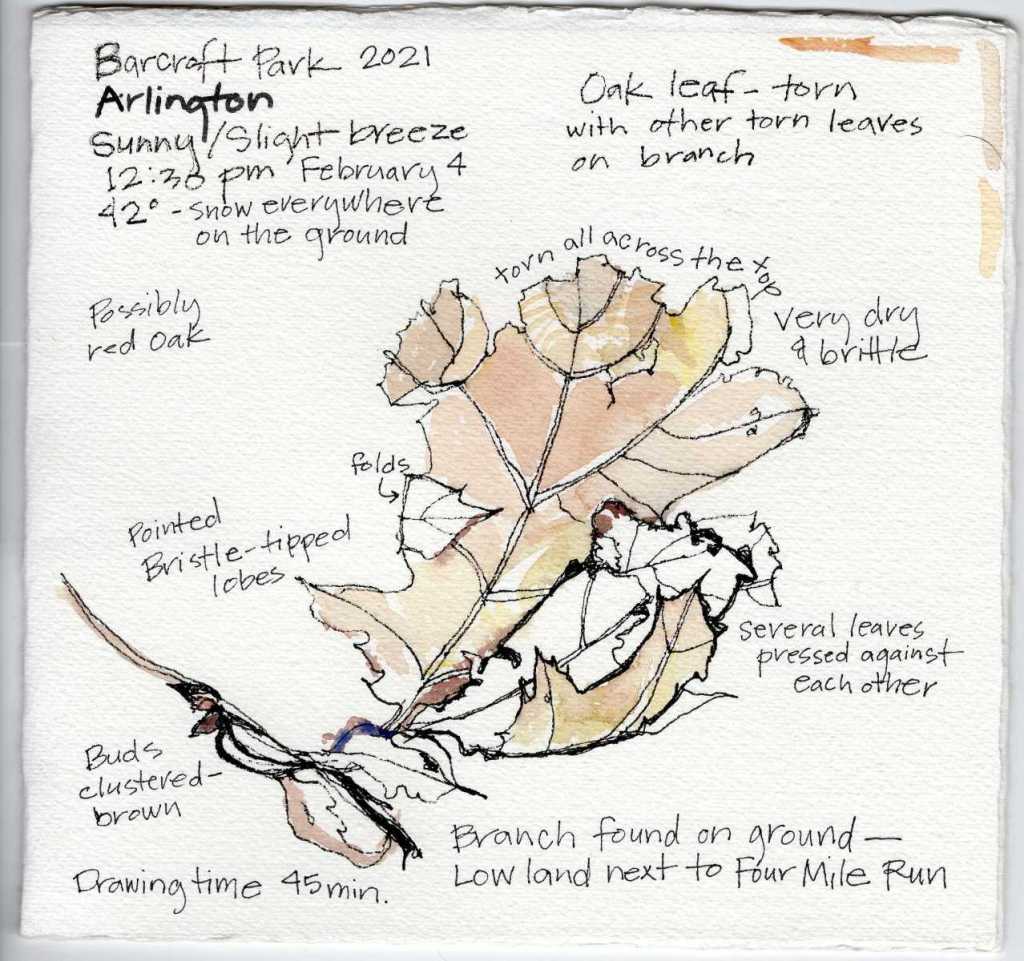
Our leader Jan had pointed me to the work of John Muir Laws, biologist, artist and journal mentor. Laws advises beginners to include numbers, words and pictures in journal entries. Near the path, I found a branch with dry leaves. It was just the right place and just enough of a specimen to start my notes. I recorded time and temperature. I described features like color, shape and location, and I finished a quick sketch.
Jan stressed that journals can be exclusively written work, too. That brought to mind autumn meetings with a group of poets and visual artists at Fort C.F. Smith Park. The year? Possibly 2004. My friend John Clarke shared a poem at each session. I thought of John, as I heard rumbles of automobiles and leaf blowers and beyond that, the calls of crows and the trills of other birds, perhaps sparrows, in the trees above. Further up the path, I reached the playground of a school deserted through the winter — a pandemic silence, broken only by brief tapping by a woodpecker.
Taking in the sunshine, I decided that the best journal was one that you enjoy working on!
Read the complete text of John Clarke’s The Four Seasons —
Take Care of Our Earth!
Everyone Can Make a Book
Start with an idea and a piece of paper, and you have the beginning of a book. Fold the paper in half. Then draw or write or create secret code or mark with musical symbols. It’s your idea, so express it in your own unique way.

Colored paper adds pizzazz! Don’t forget that paper has two sides. Be sure to remember the name of the author and illustrator.

Stories can be told in many ways, and the tale might change each time. Young children often like to make audio recordings of stories. Adults who want to help might also write down the words.
You’ll find a million ways to embellish and add to your books. Check back and we’ll look at a few of them here.