Seeds, Seasons and Sprouting

This year I’ve experimented with growing several types of native plants in my garden. I’ve had success with Asters blooming in brilliant purples, lavenders and even sunny yellow in the fall — and of course, Goldenrod, bright and arching across the south side garden. The Common Milkweed grew abundantly — in fact too abundantly, sprouting with no limits onto our neighbor’s lawn, so I agreed to replace it with varieties like the firey orange Butterfly Weed and dusty pink Swamp Milkweed.

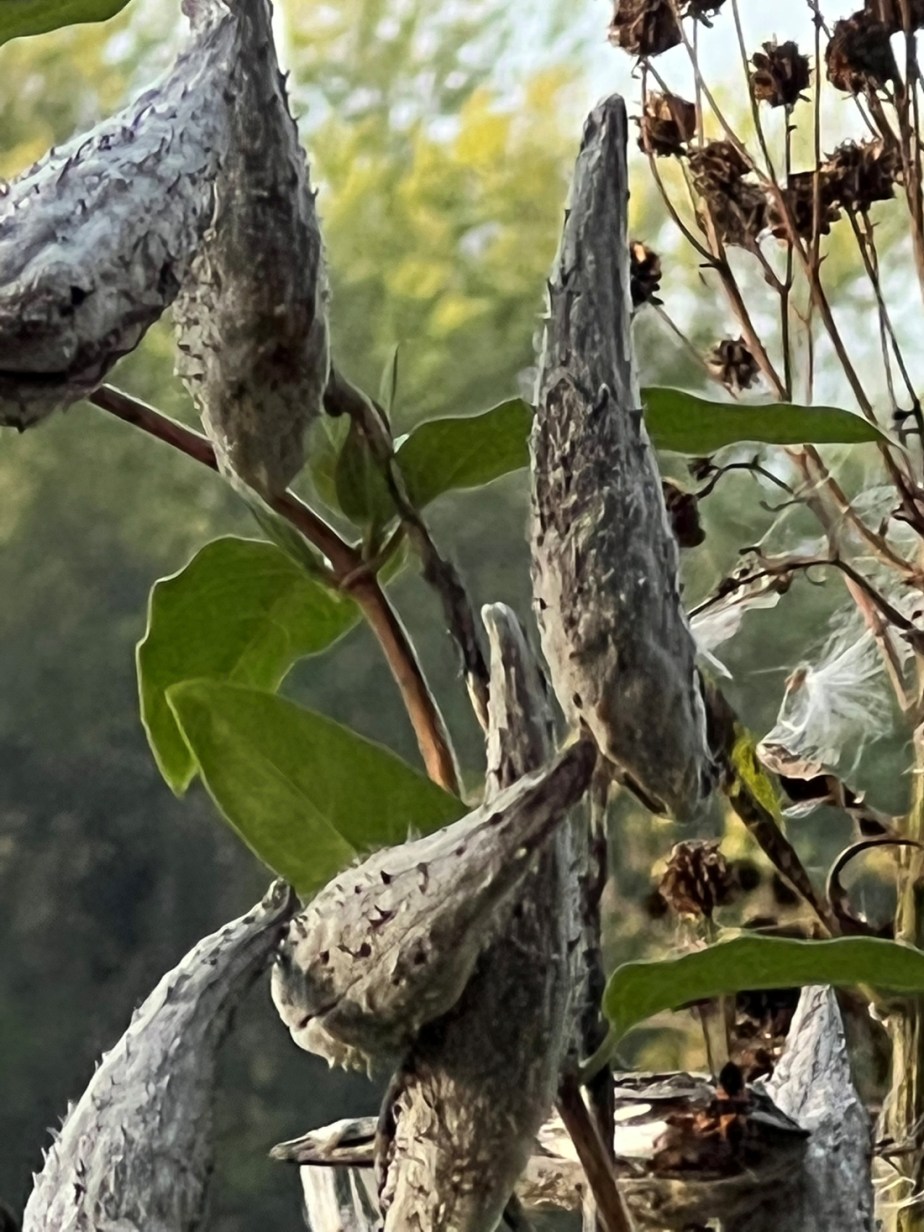
I decided to save seeds and sprout my favorite flowers in the spring, but I’ve had several failures. Cardinal Flowers always seem to bloom happily in the summer but never return the next year. Friends told me of attempts to sprout milkweed — totally without results. Why? I decided to look for expert advice, and you can read about my search in “Learning the Language of Seed” in Plantings.
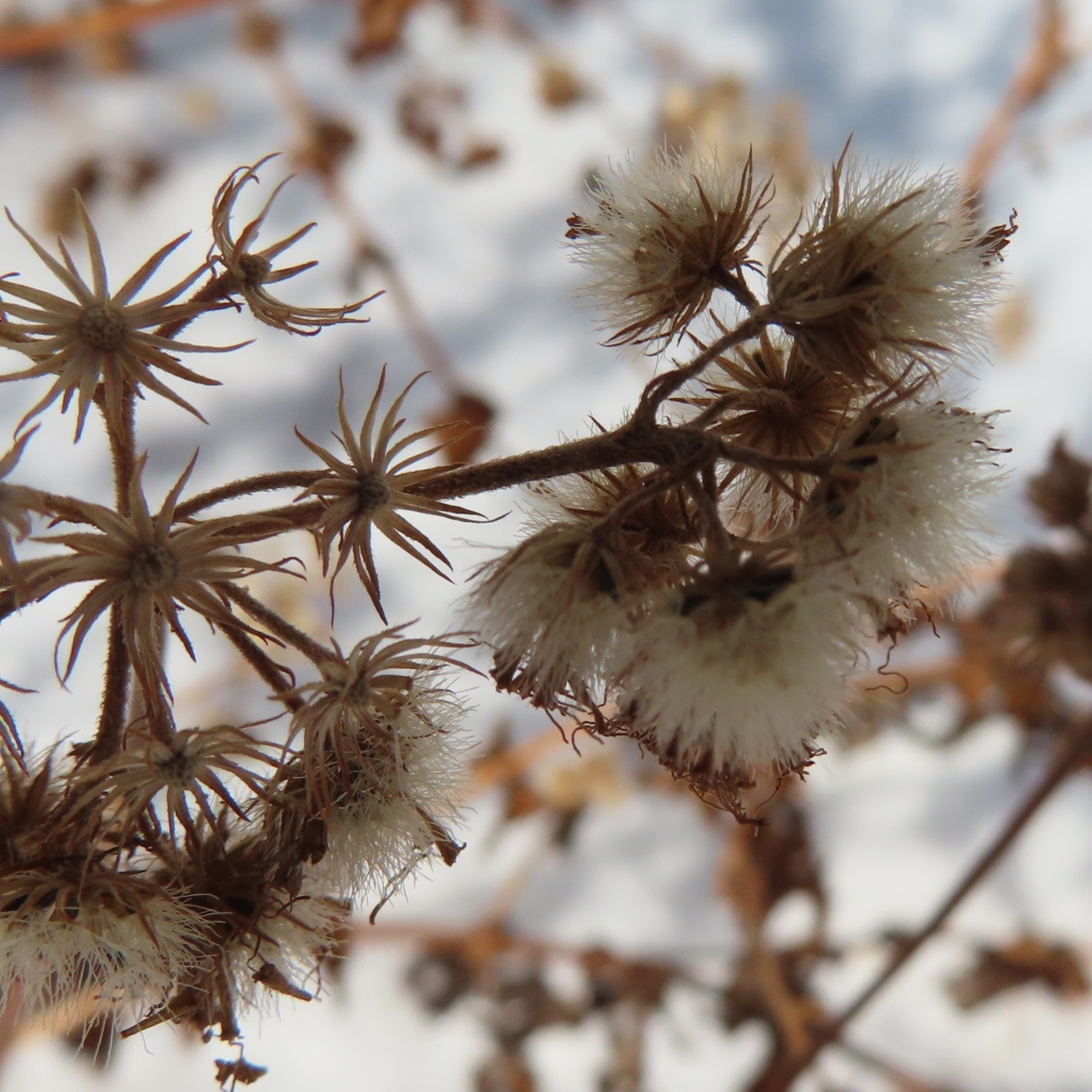
Mistflower seeds on stalks standing above the snow
Mistflower seeds attached to silky fluff grow in florets. Some remain on the stem even after a snowfall.
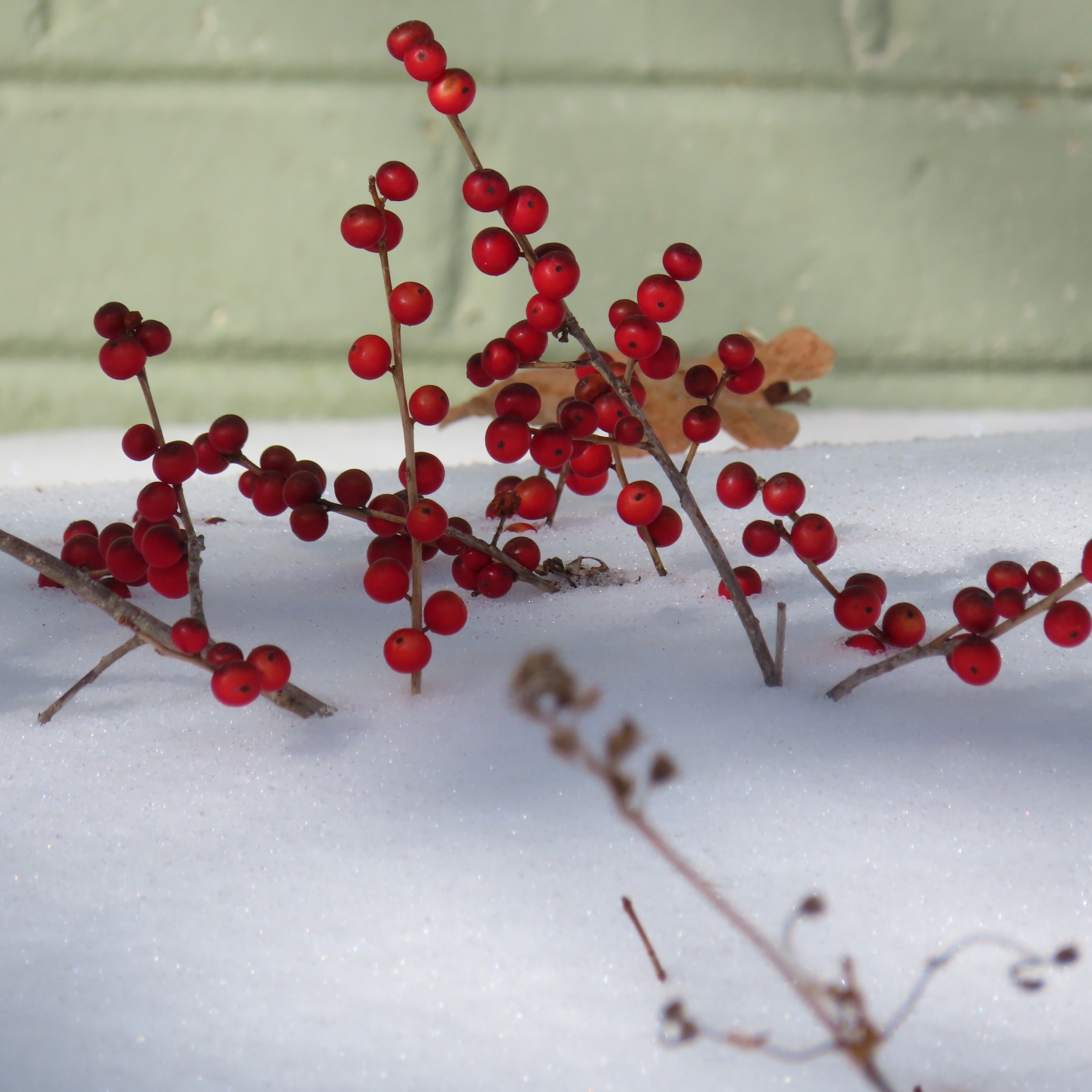
Winterberr branches grow clusters of small round fruit that are a favorite of birds.
Winterberry branches stand above the snow after a winter storm.

Bright red berries often attract animals and then serve as “lunch.” Exposure to digestive enzymes can help to break down seed coatings and promote sprouting. Gardeners can sometimes mimic this process using fermentation. You’ll find more details and references in “Learning the Language of Seed.”

Enjoy Nature and Draw!

Please join me and draw!

We’ll follow lessons inspired by the English Victorian, John Ruskin (1819-1900) and his book Elements of Drawing. He aspired to train anyone to draw, to be an artist, so that they ‘might see greater beauties than they had hitherto seen in nature and in art, and thereby gain more pleasure in life’.

It’s free and everyone is welcome!

Drawing inspired by John Ruskin in the online conservation journal Plantings

Drawing and photo by Liz Macklin | copyright 2023

Nature Journals ~ Identify That Plant!

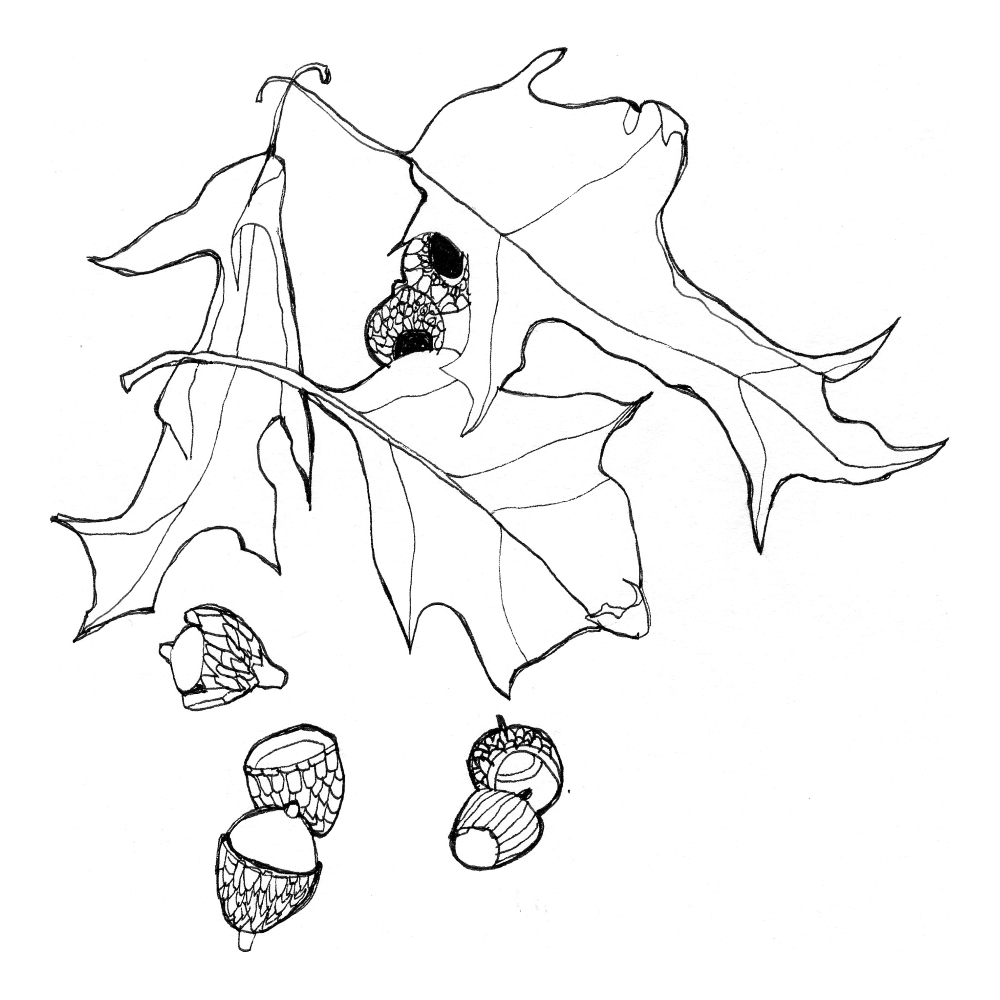
leaves and acorns drawn in pen and ink, copyright Liz Macklin 2021

In master naturalist training we identified trees by looking at their shape, bark, leaves and seeds. While hiking near Barcroft’s bog, we found oaks and poplars growing tall above a thriving poison sumac. Be aware, and if you’re in doubt about a plant, don’t touch or taste! Poet Jacqueline Jules stresses the importance of learning our plant IDs — and watching out for poison ivy!

Identifying Ivy

by Jacqueline Jules

I beg you. Reconsider
preconceived notions
and identify the difference.
 
Three together. Mitten shaped.
Small stem on the center leaf.
Pointed tips. Shiny. White berries.
 
Not the same as Virginia Creeper
and its cluster of five.
 
Do a little research. You’ll find
most are harmless. Don’t despise
every green vine gracing the path
because one or two
produce a nasty itch.

“Identfying Ivy” copyright by Jacqueline Jules — printed with permission of the poet

Read more poetry by Jacqueline Jules at Metaphorical Truths.

For help with identifying plants and animals, submit a photo to INaturalist. Researchers and citizen scientists (and even people like me!) use the posted data to learn more about our world.

In the Washington, D.C. region Alonso Abugattas posts observations about animals and plants and answers questions on his blog, the Capital Naturalist.

Watercolor Turnips

Watercolor paintings of turnips
Art by students at Carlin Springs Elementary School

A recipe for July watercolors:

  1. Step out to the backyard garden.
  2. Pick a few turnips and bring bring them to school.
  3. Take out the paints, brushes, paper and containers of water.
  4. Look at all the different greens and purples on the plants. See how the leaves curve in and out. Which part of the turnip grows underground? Why is the root purple?
  5. Paint!

Could your paintings also show the soil, the surrounding plants, and the animals that visit the garden?

For more ideas for school projects in the garden, check GreenSTEM Learning by Mary Van Dyke.

And if you’ll be in Arlington, Virginia, in October attend the 2017 Virginia Agriculture Summit.

Sunflowers

Three Sunflowers
Sunflowers | watercolor | copyright Liz Macklin 2016

We have a bumper crop of pumpkins this year but absolutely no sunflowers. I guess the squirrels ate the seeds.

My friend, author Jackie Jules, grew sunflowers on her deck. Her seedlings vanished once, then twice. But did Jackie give up? No.  In fact, I bet that she sang as she watered her plants– songs of maidens and magic seeds. Her flowers bloomed in the brightest gold.

More than a thousand miles away, I dreamed of blossoms and howling guards that chased away the squirrels. In the morning I’d walk the dog and sneak past a neighbor’s house for a glimpse of her sunflowers.

Then one day Madelyn Rosenberg came to my rescue. She was typing away. I imagine her looking like a brunette Katherine Hepburn — author/ journalist. She took a break to bring sunflowers to everyone at our writers group. Madelyn, how did you know? I just had to paint them.

—————  Even if plants can’t hear storytellers,  what do we know of how plants respond to sound? A study of caterpillar crunching! From the California Academy of Sciences.

Sprouts

Sprouts

My daughter planted seeds and placed the pots in our kitchen window. They’ve sprouted! We forgot to label the containers, but we’ll recognize some of the vegetables by the shapes of their leaves. As for the others … oops! Expect a few surprises.

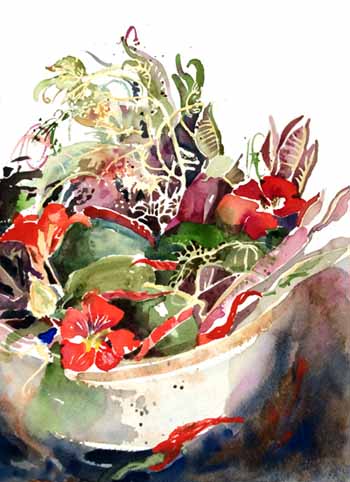
In April and May, I’ll join first graders to create art inspired by nature. One of the first things we’ll do is sketch the plants sprouting up at school.  The students love to remind me to “visualize.” It’s fun to close our eyes and think of a picture and then paint it! Here’s my painting of the salad I’ll eat — made up of vegetables grown in the next few months.

How do you imagine you’ll enjoy the outdoors this spring?

Summer Salad
Summer Salad | watercolor | copyright Liz Macklin 2016

I’m excited to hear from  Mary Van Dyke at Green STEM Learning about a group that shares ideas for school gardens and outdoor learning — the Virginia Association for Environmental Educators.

For information on caring for a backyard garden, I check the web site of The Master Gardeners of Northern Virginia.

And when I feel like sitting down with a book, I read about vegetables, herbs and their botanical families in Vegetable Literacy by Deborah Madison.

Looking forward to spring harvests!

updated: March 17, 2016


Thanksgiving

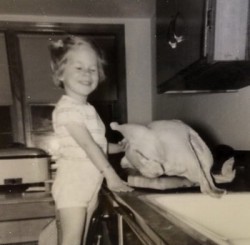
In my family we learned to accept responsibility early in life. I was the sous chef, and I fixed the turkey. Okay, I might be padding my resume. I assisted the chef.

girl with uncooked Thanksgiving turkeyI was an enthusiastic carnivore as a child, but now I really love vegetables. My daughter tends our backyard garden, and this week she’s built a hoop structure with pipes and sheets of plastic. It will protect the  parsley, thyme, kale and other greens through the winter. I’m thankful to have children who like to grow things that I like to eat!

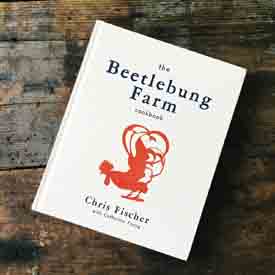
As we plan holiday menus, I’m reading  The Beetlebung Farm Cookbook, written by chef and farmer, Chris Fischer, in collaboration with chef and writer, Catherine Young. You might have seen the recipes and review in The New York Times food blog.  The book tells the story of a family farm on Martha’s Vineyard, complete with descriptions of mouthwatering meals and recipes for ingredients straight from the seashore, pasture and garden.The Beetlebung Farm Cookbook

Last year I wrote about recipes and books to share with children over the holidays. You’ll find several books by Virginia authors in that discussion. Many writers released new titles this year. I hope to write more about them in a future post.

Winter Watercolors and Then — Spring!!

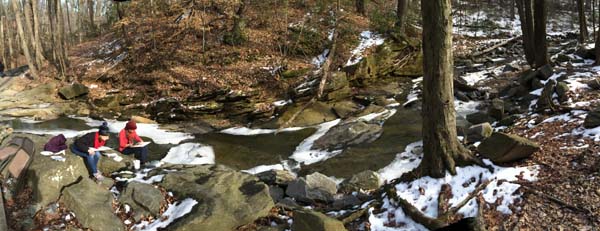
Along Four Mile Run at Long Branch Nature Center

Spring? Not quite yet. This month I’ve painted with a new group of artists – talented teens from Arlington County. On a sunny Saturday we packed up our watercolors and met at Long Branch Nature Center.

There’s still snow in the shadows, but the park naturalists are thinking ahead to spring planting. The center sponsors an annual native plant sale with a deadline for placing orders on April 4, 2014. See the center’s web site for more information and full color photos of bluebells, cardinal flowers, coneflowers, wild geraniums and other flowers. I’m thinking about green shoots and blossoms now. How about you?garden detail

A Moment for Art

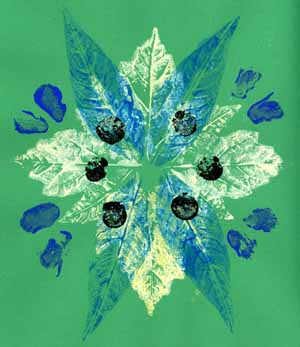
Leaves on Green
Leaves on Green | monoprint | copyright Liz Macklin 2012

How to enjoy a moment of relaxation and  fun at noon? I spent an hour today with the staff of Lombardi Comprehensive Cancer Center. First we sampled a delicious assortment of salads by artist and chef Nevin Bossart. Then we experimented with printmaking.  I brought the paints and colored papers, as well as a collection  of leaves and flowers — maple, sweetgum, peony, yarrow and lavender. Part of the fun was seeing all the amazing creations. I met nurses, chaplains, interns and clinicians, and we chatted about art, color, techniques, day-to-day activities and the scrumptious food! Everyone celebrated with cake and bid farewell to a staff member who is moving overseas. The event, a monthly feature of  “Caring for the Caregivers, ” is sponsored by Lombardi’s Arts and Humanities Program under the direction of Nancy Morgan.